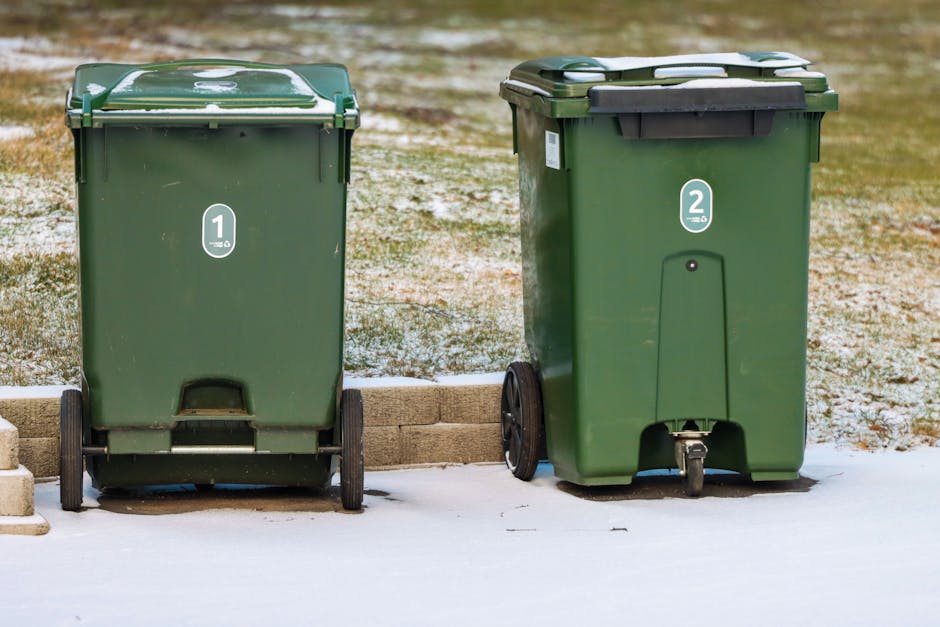
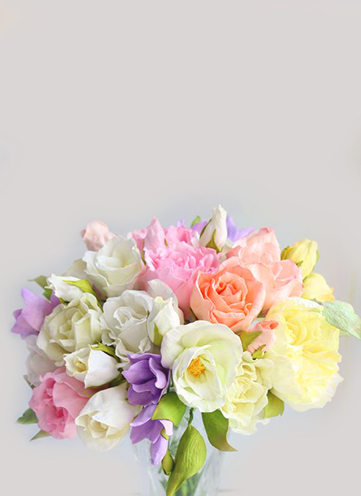
Green waste disposal rules in Harrow for floral waste
Posted on 11/10/2026
Floral waste looks simple at first glance. A few wilted stems, some petals on the counter, the odd ribbon or paper wrap, maybe a soggy bouquet at the end of the week. But once you start dealing with larger amounts, the green waste disposal rules in Harrow for floral waste matter quite a lot. The difference between clean plant-based waste and mixed rubbish can affect what you can place in garden waste collections, what needs separate handling, and how responsibly your shop, venue, or household deals with leftovers.
If you run a florist, manage events, or just hate chucking perfectly compostable material into general waste, this guide will help. We'll walk through what floral green waste usually means, how local disposal thinking works in practice, what to separate, what to avoid, and how to stay on the right side of best practice without making life complicated. Truth be told, most problems come from one thing: mixing clean flower waste with the wrong bits.
Table of Contents
- Why Green waste disposal rules in Harrow for floral waste Matters
- How Green waste disposal rules in Harrow for floral waste Works
- Key Benefits and Practical Advantages
- Who This Is For and When It Makes Sense
- Step-by-Step Guidance
- Expert Tips for Better Results
- Common Mistakes to Avoid
- Tools, Resources and Recommendations
- Law, Compliance, Standards, or Best Practice
- Options, Methods, or Comparison Table
- Case Study or Real-World Example
- Practical Checklist
- Conclusion
- Frequently Asked Questions
Why Green waste disposal rules in Harrow for floral waste Matters
At a practical level, floral waste is not just "garden stuff". Some of it is clean, compostable plant matter; some of it is mixed with packaging, wire, foam, plastics, glitter, tape, or water-soaked wrapping that changes how it should be handled. In Harrow, as in many London areas, that distinction matters because waste streams are sorted by material type, contamination risk, and where the waste is headed next.
Why should you care? Because one contaminated bag can spoil an otherwise useful load. And once that happens, the whole lot may be treated less efficiently. That means more landfill, more cost pressure, and more unnecessary mess. Nobody wants a bin room that smells faintly of lilies and wet cardboard while also causing avoidable waste issues. Let's face it, floral waste gets a bit intense in warm weather.
There's also a reputation side to it. Customers notice details. A florist who separates green waste cleanly, reuses where sensible, and disposes responsibly sends a strong signal about standards. If you already care about presentation and freshness, the back-end waste process should reflect that same care.
For businesses, the issue can extend beyond good intentions. Once floral waste is mixed with commercial waste, you may need to think about duty of care, collection arrangements, storage, and contamination control. For households, the concern is usually simpler: keeping compostable material out of general rubbish when a greener route is available.
How Green waste disposal rules in Harrow for floral waste Works
The basic idea is straightforward. If the waste is organic and plant-based, it may be suitable for green waste or composting routes. If it includes non-organic materials, it may need to be separated first. The reality is in the details.
What usually counts as floral green waste
- Fresh cut flowers
- Wilted stems and leaves
- Small plant trimmings from bouquets and arrangements
- Dead plants from indoor displays
- Natural foliage used in floral work
What usually does not belong in green waste
- Plastic wrap, cellophane, and film
- Ribbon, string, and synthetic ties
- Floral foam and similar artificial substrates
- Wire, pins, clips, and plastic trays
- Gift cards, labels, and mixed packaging
- Food waste, liquids, and general litter
That split sounds obvious, but in a real florist environment it gets messy fast. A bouquet may arrive wrapped, tied, bagged, and topped with a card. A funeral tribute may contain ribbon, metal pins, and other non-green components. Even a simple bunch of roses can become mixed waste in seconds if nobody sorts as they go.
A sensible working method is to treat floral waste in two streams: clean green matter and contaminants. Keep them separate from the moment the flowers are dismantled. If you do that consistently, disposal becomes much easier, and you reduce the chance of entire sacks being rejected or downgraded.
If you also handle deliveries, returns, or subscription arrangements, it helps to have a simple disposal routine built into daily closing. A few minutes at the end of the day can save you from a much bigger headache later. There's a nice rhythm to it once it becomes habit.
Key Benefits and Practical Advantages
Good floral waste handling is not only about rules. It has real everyday upsides, especially for businesses that process flowers in volume.
- Less waste contamination: cleaner separation means more of the organic material can be handled appropriately.
- Better hygiene: flower debris decomposes quickly, so prompt sorting keeps storage areas tidier and less odorous.
- Smoother operations: when staff know what goes where, there is less confusion at busy times.
- Improved sustainability: plant matter is often best kept away from general waste when a greener route is available.
- Clearer compliance: businesses can demonstrate that they are handling waste responsibly and consistently.
- Lower risk of avoidable error: fewer mixed bins, fewer missed collections, fewer awkward bin audits. Yes, that does happen.
There is also a customer-facing benefit that people sometimes underestimate. A florist that manages waste cleanly usually manages stock cleanly too. The same mindset that keeps old stems out of the wrong bin often shows up in the display fridge, the wrapping station, and the delivery process.
For households, the benefit is simpler: less rubbish in the black bag, more organic material handled in a greener way, and less guilt when clearing out a vase full of fading stems after a long week. Tiny win, but still a win.
Who This Is For and When It Makes Sense
This topic matters to more people than you might think. It is not just for commercial florists, although they tend to feel the rules most sharply.
It is especially relevant for:
- Independent florists in Harrow and nearby areas
- Flower delivery businesses handling daily fresh stock
- Wedding florists clearing large amounts of end-of-event material
- Funeral and memorial florists managing tribute components carefully
- Event venues and caterers with floral decor to clear after functions
- Households doing seasonal garden and vase clear-outs
- Office managers looking after reception flowers and plant waste
If you're a home user, the rule of thumb is easy: separate clean plant material from wrapping and household rubbish. If you're a business, especially one with recurring waste, it makes sense to create a written routine. Nothing fancy. Just a simple internal process that staff can follow without thinking too hard.
Wedding work is a good example. On the day, there may be bridal bouquets, buttonholes, table arrangements, and loose petals. By the next morning, some of that can be compostable, some may be keepable, and some may be mixed with packaging or decor items. If you do not sort as you pack down, the waste stream becomes a little swampy. Nobody enjoys that part.
Step-by-Step Guidance
If you want a practical way to deal with floral waste in Harrow, use this process. It works whether you are clearing a home vase or a backroom full of leftover stems from a busy weekend.
- Remove the non-green items first. Take off plastic wrap, gift cards, ribbons, pins, wire, tape, and decorative bits.
- Check for artificial components. Foam, glittery picks, or synthetic foliage should stay out of green waste.
- Separate clean plant material. Gather stems, leaves, petals, and natural foliage together.
- Drain excess water. Wet waste gets heavier and messier, and leaks can create hygiene problems.
- Use the right container. A designated bin, sack, or caddy for green waste keeps things simple.
- Store it safely until collection. Keep it cool, shaded, and away from food prep areas where possible.
- Dispose through the correct route. Use your council-approved or commercial waste route, depending on your setup.
If you are a florist, it helps to train staff on the sequence. The sequence matters more than people think. A mixed handful of stems and plastic wrap can create more sorting work later than you'd expect. In a rush, you'll notice the temptation to throw everything into one bag. Resist it. Future you will be grateful.
For venues, the pack-down team should know who is responsible for each material stream. One person does flowers. Another handles decor. Another checks the tables for stray ribbon, glass, or candle remnants. Simple roles make a big difference.
Expert Tips for Better Results
After a while, certain habits make floral waste disposal much easier. These are the small things that keep a system from falling apart.
- Keep a "clean green" bin near the workbench. If people have to walk across the room, they will stop sorting properly.
- Use clear labels. "Flowers and leaves only" is better than a vague "waste" label.
- Break down arrangements immediately. Do not leave old bouquets sitting around until the end of the week.
- Bundle reusable materials separately. Vases, jugs, and decor items should not be mixed into floral waste.
- Watch for foam and hidden fixings. These are easy to miss in sprays and tribute work.
- Plan around delivery peaks. Valentine's, Mother's Day, and wedding season can produce far more floral waste than usual.
- Keep storage dry where possible. Damp waste can become heavy, smelly, and awkward to handle very quickly.
One practical tip from day-to-day experience: do a five-minute end-of-shift sweep before everyone heads out. You'll spot missed wrapping, loose stems behind the counter, and those awkward little bits nobody wants to own. It's not glamorous. It works.
Another useful habit is to make one person the "last check" on busy days. Not because they're in charge of everything, but because a second pair of eyes catches mixed waste before it goes out the door. Small system, big payoff.
Common Mistakes to Avoid
Most floral waste issues are boringly avoidable. That sounds rude, but it's true.
- Throwing mixed bouquet waste into green waste without checking it first. Ribbons and wrap are the usual culprits.
- Assuming all flowers are compostable in every situation. Once synthetic materials are attached, the waste changes.
- Leaving waste to rot in the back room. It gets unpleasant fast, especially in warm weather.
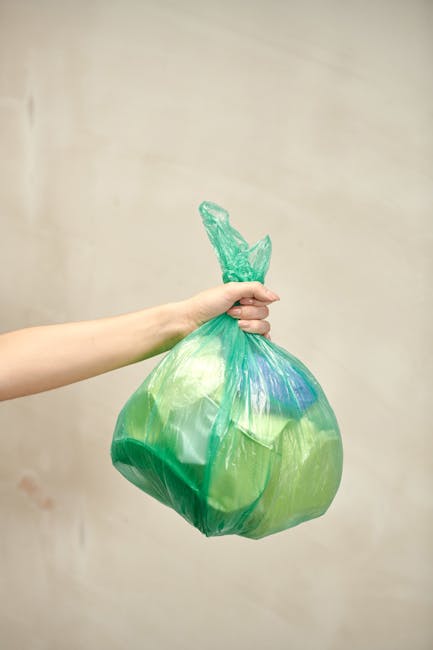
- Overfilling bags. Heavy sacks split, leak, and make collections harder.
- Using the wrong bin for wet stems. Wet material can damage liners and attract pests if left too long.
- Forgetting funeral or wedding tribute components. These often contain more mixed materials than they look like at first glance.
- Not training temporary staff. Seasonal help is often where mistakes creep in.
One of the sneakiest errors is treating floral foam as if it were organic because it sits inside flowers. It is not. Same goes for wired arrangement supports and many decorative fixings. If in doubt, remove the questionable bit and keep it out of the green stream. That simple habit prevents a lot of trouble.
Another common issue is overconfidence. People think, "It's only a few stems." Then the bin fills up with six different materials, and now it's a sorting job instead of a disposal job. Happens all the time.
Tools, Resources and Recommendations
You do not need anything complicated to improve floral waste handling. A few basic tools go a long way.
- Separate bins or liners: one for clean green waste, one for mixed rubbish, one for recycling where appropriate.
- Heavy-duty gloves: useful for thorny stems, damp waste, and quick clean-downs.
- Clearly printed labels: better than handwritten notes that fade or get ignored.
- Small secateurs or scissors: helpful for dismantling arrangements neatly.
- Covered storage containers: useful if you need to hold waste briefly before collection.
- Cleaning spray and cloths: not glamorous, but essential for keeping the workspace fresh.
For businesses that handle a lot of flowers, a short written waste guide is often the best "resource" of all. A one-page instruction sheet near the prep area can prevent confusion more effectively than a long policy document no one reads. Keep it simple. Keep it visible. Keep it updated when your process changes.
If you also care about the broader sustainability side of floristry, it helps to look at your full operation, not just disposal. Choosing responsible sourcing, reducing unnecessary packaging, and using care instructions that help flowers last longer all reduce waste upstream. That is where articles like our sustainability page can fit into the bigger picture of greener flower handling.
For customers who want flowers to last as long as possible before they end up in the bin, the flower care guidance is also worth a look. Better care means fewer premature disposals, which is good for everyone.
Law, Compliance, Standards, or Best Practice
When people ask about rules, what they usually want is reassurance: what is required, what is sensible, and what is just good practice. With floral waste, the safest answer is that clean plant-based waste is generally handled differently from mixed waste, and businesses should follow the waste handling expectations that apply to their activity, their premises, and their collection arrangements.
For households, the main principle is straightforward separation. For businesses, there is more to think about: duty of care, collection contracts, storage, contamination, and staff training. Exact requirements can vary depending on the waste stream and the service you use, so it is wise not to guess. If floral waste is part of a larger commercial waste process, it should be assessed in that context rather than treated casually.
Best practice usually includes:
- Separating organic floral material from plastics and synthetic items
- Keeping waste secure and hygienic before collection
- Avoiding contamination of recyclable or compostable streams
- Using approved collection arrangements that match the type and volume of waste
- Training staff so sorting happens the same way every time
If you are running a shop, venue, or floral service, it is worth keeping records of your waste routine and collection arrangements. Not because it is exciting-far from it-but because clear documentation helps show that you are taking the process seriously. And in real life, serious and tidy tends to beat improvised and messy.
Options, Methods, or Comparison Table
There is more than one way to handle floral waste, and the best method depends on how much waste you produce, how mixed it is, and whether you are dealing with a household or a business operation.
| Method | Best for | Pros | Watch-outs |
|---|---|---|---|
| Separate green waste collection | Homes and businesses with mostly plant-based waste | Simple, cleaner disposal route, good for organic material | Contamination can cause problems |
| Commercial waste pickup | Florists, venues, high-volume users | Flexible for mixed activity, scalable | Needs clear sorting and the right contract |
| On-site composting | Small volumes of clean plant matter | Useful if you have space and suitable conditions | Not suitable for mixed or treated waste |
| General waste disposal | Mixed or contaminated material | Easy as a fallback | Less sustainable, and often the least desirable option |
In practice, many businesses use a blended approach. Clean petals and stems go one way, mixed packaging another, and awkward leftovers into general waste only when necessary. That is usually the most realistic setup. Ideal world? Everything is perfectly sorted. Real world? A bit more mixed, a bit more human.
For event work, especially weddings and sympathy tributes, it can help to create a post-event clear-down plan in advance. You do not want to be deciding disposal methods while the venue lights are dimming and everyone is tired. Better to decide at 9 a.m. than at 9 p.m., honestly.
Case Study or Real-World Example
Imagine a small florist in Harrow that prepares daily hand-tied bouquets, sympathy arrangements, and a few wedding orders each week. Before introducing a sorting routine, the back area had one mixed waste bag for everything: stems, plastic sleeves, ribbon, torn tissue, and the occasional broken vase tag. The bin filled quickly, smelled by closing time, and took longer to empty than anyone liked.
They changed the process in a modest way. One crate for clean stems and leaves. One container for plastics and ribbons. One small waste box for mixed items that could not be separated quickly. Staff were told to strip each bouquet as soon as it came off the workbench, not later. No fancy system. Just consistency.
Within a couple of weeks, the space felt calmer. Less clutter. Less smell. Less confusion on busy afternoons when deliveries stacked up and someone needed to cut fresh stock at the same time. And perhaps most importantly, newer staff picked it up quickly because the system was obvious.
That's the real lesson. You do not need a dramatic overhaul to improve floral waste disposal. You need a routine that is easy enough to follow on a rushed Thursday. If it only works on quiet days, it is not really a system yet.
Practical Checklist
Use this quick checklist to keep floral waste handling on track.
- Have I separated clean flowers and leaves from packaging?
- Have I removed ribbon, wire, pins, foam, and plastic wrap?
- Is the waste stored in the correct bin or sack?
- Have I checked for wet leakage or heavy overfilling?
- Do staff know what belongs in each waste stream?
- Have I kept the storage area clean and dry?
- Do I know which collection route I am using?
- Have I avoided mixing floral waste with food scraps or general litter?
- Have I sorted tribute or event flowers carefully for hidden non-organic parts?
- Have I reviewed the routine after busy periods like weddings or seasonal peaks?
If you can tick most of those boxes, you are already doing better than many places that wing it. That sounds blunt, but waste handling often lives or dies on small habits.
Conclusion
Green waste disposal rules in Harrow for floral waste are really about one core idea: keep clean plant material separate from everything else, and make the process easy enough that people actually follow it. Whether you are clearing a vase at home or running a busy florist counter, the same logic applies. Sort early, separate clearly, store safely, and choose the right disposal route for the material in front of you.
The good news is that this is not a hard system to build. A couple of labelled bins, a clear routine, and a little staff awareness can make a huge difference. Cleaner workspaces, less odour, fewer mistakes, and a more sustainable operation all come from that same simple discipline.
If you are reviewing your own floral waste process, start small. One bin. One rule. One consistent habit. That is often enough to turn a messy chore into something tidy, practical, and almost forgettable-in the best possible way.
Get a free quote today and see how much you can save.
Frequently Asked Questions
Can I put floral waste in green waste bins in Harrow?
Usually, clean floral waste such as stems, leaves, and petals can be suitable for green waste handling if it is free from plastic, wire, foam, and other contaminants. The key is separation. If the flowers are mixed with wrapping or synthetic materials, they may need to go in another waste stream first.
Are flower bouquets classed as green waste?
Only the plant-based parts are really green waste. A bouquet often includes ribbon, paper, tape, tags, and sometimes wire or foam. Those extras should be removed before disposal if you want the organic part handled properly.
What should I do with floral foam?
Floral foam should not be treated like organic green waste. It is an artificial material and needs to be separated from stems and leaves. In practice, that means dismantling arrangements carefully rather than tipping the whole thing into one bin.
Can a florist in Harrow compost flower waste on site?
Some small, clean plant-only waste may be suitable for composting if the business has the right space and setup. But once waste is mixed, treated, or contaminated, on-site composting becomes less appropriate. It is best used only for simple, clean organic material.
Do funeral flowers need special handling?
They often do, yes, because tribute work can include wire, plastic supports, tape, and decorative fittings. The flowers themselves may be compostable, but the full arrangement usually needs careful separation before disposal.
What is the biggest mistake people make with floral waste?
The most common mistake is mixing clean stems with wrapping, ribbon, or foam. Once that happens, the waste stream becomes contaminated and harder to handle correctly. A quick sorting habit prevents most of those issues.
Is wet floral waste a problem?
It can be. Wet waste is heavier, more likely to leak, and more likely to smell if left too long. Draining excess water and clearing bins regularly helps keep the workspace hygienic and manageable.
Do I need different rules for home and business floral waste?
Yes, the practical setup is usually different. Home users mostly need simple separation and proper binning, while businesses should think about waste duty of care, collection arrangements, and staff training. The basic principle is the same, though: keep clean green material separate.
How can I tell if something belongs in green waste?
Ask whether it is natural plant matter and whether it is free from synthetic add-ons. If it is a stem, leaf, petal, or natural foliage, it probably belongs in the green stream. If it is plastic, wire, tape, or foam, it does not.
What should I do after a busy wedding or event?
Break down the arrangements immediately, separate reusable decor, remove all non-organic materials, and store the clean floral waste in the correct container. Event clear-downs are where the best sorting routines either shine or fall apart, so it helps to have a simple plan ready before the day starts.
Does flower delivery packaging affect disposal?
Absolutely. Packaging can change what would otherwise be clean green waste into mixed waste. Cellophane, labels, cardboard, tape, and plastic ties should be removed before the flowers are disposed of or composted.
What is the easiest way to improve floral waste disposal quickly?
Start with two bins: one for clean plant waste and one for everything else. Then label them clearly and make sure staff know the difference. That one change fixes a surprising amount of confusion, and it is usually where the real improvement begins.
Sometimes the best waste system is the one that people barely have to think about. And that, in a busy Harrow shop or a quiet home kitchen, is a very good thing.